


 ₹https://stores.cpplusworld.com/cp-plus/indore/mg-road/cp-plus-galaxy-shri-sai-automation-in-mg-road-indore--12tOdX/articles/why-stqc-is-becoming-the-new-standard-for-security--4c7eec93-bc69-43d9-b6fc-8518417f1e08
CP Plus Galaxy - Shri Sai Automation, MG Road, indore
CCTV & Wireless Security Camera Store in MG Road, Indore, Madhya Pradesh
No 9, New MTH Compound, Nearby Traffif Thana, MG Road, indore, madhya pradesh - 452002
Request A Call Back
CP Plus Galaxy - Shri Sai Automation Social Feeds in MG Road, indore
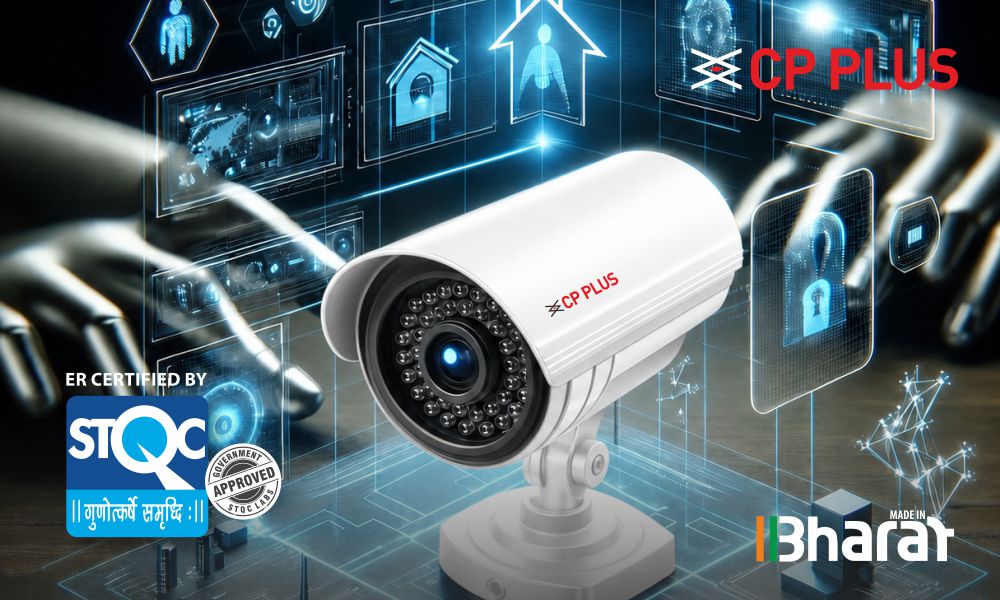
Why STQC Is Becoming the New Standard for Security Surveillance and Where CP PLUS Stands
The surveillance industry in India is going through a meaningful shift, and it's worth understanding even if you're not shopping for a camera right now. A government-backed certification called STQC is quickly becoming the new baseline for what a trustworthy CCTV camera looks like, and it's changing how the whole industry, including here in MG Road, indore, approaches quality.
A Quick Look at India's Growing Surveillance Landscape
As India moves deeper into Digital India and smart city initiatives, CCTV cameras have grown from simple recording devices into connected, data-handling systems used everywhere from busy street corners to quiet homes. With that growth has come a welcome, broader push toward better-tested, better-built devices across the industry.
The Story Behind the STQC Mandate
The Ministry of Electronics and Information Technology (MeitY) issued a gazette notification on April 9, 2024, introducing STQC (Standardisation Testing and Quality Certification) as a requirement for CCTV cameras manufactured, imported, or sold in India. This falls under the Electronics and Information Technology Goods (Compulsory Registration) Order, 2021, and involves meeting defined Essential Requirements along with BIS certification under IS 13252 Part 1.
The rule applies broadly, covering analog cameras, IP cameras, and speed dome (PTZ) cameras alike, with certification becoming the expected standard for cameras sold in India from April 9, 2025, onward. Certified products go through testing for data encryption, secure boot, environmental resilience, image clarity, power efficiency, and network protocol compliance, a meaningfully higher bar than most consumer electronics have traditionally been held to.
Where This Standard Is Already Making a Difference
STQC-certified surveillance systems are increasingly the norm across:
Safe City projects in major metros
Traffic management systems and toll plazas
Airports, metro stations, and railways
Police control rooms and monitoring centres
Government departments and Public Sector Units (PSUs)
Schools, hospitals, and other data-sensitive institutions
And increasingly, this same standard of quality is making its way into everyday retail stores and homes, as more buyers come to recognise and look for certified products.
CP PLUS's Place in This Shift
CP PLUS has embraced this shift early, building what it describes as the largest range of STQC-certified IP surveillance systems in India. Its PTZ (Pan-Tilt-Zoom) and IPC (Internet Protocol Camera) devices carry the ER IoTSCS STQC certification from the STQC Directorate under MeitY. This is backed by serious manufacturing scale, with certified products designed and manufactured at the brand's facility in Kadapa, Andhra Pradesh, currently producing at a capacity of around 2.5 million devices per month, supporting India's Make in India vision. CP PLUS's broader certification portfolio also includes ISO 9001:2015, ISO 14001:2014, UL, CE, FCC, RoHS, BIS, and WPC, alongside a nationwide service and support network.
What This Means for the Road Ahead
As STQC certification becomes the norm rather than the exception, a few things are likely to follow: more manufacturers investing in genuine testing and local production, a gradual phasing out of uncertified imports, and a surveillance market where quality, not just price, becomes the deciding factor for buyers everywhere, from government offices to family homes.
Frequently Asked Questions
When did the STQC requirement for CCTV cameras take effect? MeitY's gazette notification was issued on April 9, 2024, with certification becoming the expected standard for cameras sold in India from April 9, 2025.
Does this rule apply to cameras already installed in homes or offices? The requirement applies to the sale and distribution of new CCTV cameras in India, not to units already installed and working.
Does STQC apply only to Wi-Fi or IP cameras? No, the requirement applies broadly, covering analog cameras, IP cameras, and speed dome (PTZ) cameras alike.
Will more brands become STQC certified over time? As the requirement becomes standard practice across the industry, it's reasonable to expect more manufacturers to pursue certification for their product ranges.
How does this benefit an everyday buyer, not just government projects? As certified products become the norm, everyday buyers benefit from a more consistent baseline of quality and security across the cameras available to them.
An Industry Moving Toward Better Standards
STQC certification reflects how far CCTV cameras have come, growing into smart, capable devices worth building to a genuinely higher standard. With one of the country's widest STQC-certified ranges and manufacturing rooted in India, CP PLUS has positioned itself at the heart of that progress, here in MG Road, indore, and across the country.
Explore CP PLUS's STQC-certified surveillance range at cpplusworld.com.